Greener Light, Zero Tools: Plug-In and Screw-In Upgrades

Today we dive into sustainable lighting upgrades using plug-in and screw-in options, showing how simple swaps can shrink energy bills, boost comfort, and reduce waste without rewiring. From bedrooms to busy offices, you’ll discover bulb shapes, smart controls, and practical tricks that deliver fast results. Expect clear examples, relatable stories, and easy checklists. Share your biggest lighting win in the comments, subscribe for weekly ideas, and let this be the easiest efficiency upgrade you complete this month.

Quick Wins That Cut Energy Use Today

Lumens, Not Watts

Think of brightness in lumens rather than watts, and you’ll choose confidently every time. A 60-watt incandescent delivers roughly 800 lumens; a quality LED can match that at about 8 to 10 watts. Look for ENERGY STAR where possible for reliable output and longevity. If a package lists both lumens and watts, prioritize lumens first. Comment with the lumen level that works best in your living room, and help others dial in their comfort too.

Color You Actually Enjoy

Color temperature shapes mood. For cozy spaces, 2700K feels warm and familiar. Kitchens or work areas benefit from 3000K to 3500K for crisper detail without harshness. Higher than 4000K suits garages or utility rooms. Also consider CRI above 90 for accurate colors on food, clothes, and art. Grab two bulbs with different temperatures and compare for a week. Post your verdict, and we’ll highlight favorite combinations in our next roundup for readers exploring better ambiance.

Shapes and Sockets That Fit

A19 fits most table lamps, BR30 suits recessed cans, and PAR38 handles outdoor spots. Chandeliers often use E12 bases, while common lamps use E26. Before buying, confirm base type and whether fixtures are enclosed or damp-rated. Many LED lamps specify enclosure compatibility to prevent overheating. Measure the available space and check the trim. If you’ve solved a tough fit issue, share the bulb shape and brand in a comment to guide fellow readers toward frustration-free selections.

Screw-In Choices for Every Room

Different spaces crave different light. Bedrooms welcome soft dimmable LEDs, while kitchens need broader beam spreads and high CRI to render fresh ingredients vividly. Bathrooms benefit from mirror-friendly, even illumination. Outdoors requires weather-rated durability. The beauty of screw-in upgrades is their flexibility: one careful selection per location transforms comfort and efficiency overnight. Tell us which room you’re upgrading first, and we’ll tailor upcoming tips, comparisons, and reader showcases to match your most requested scenarios and lighting challenges.

Living Room Glow Without Glare

Choose 2700K or 3000K with high CRI to flatter skin tones and fabrics. Look for frosted lenses to diffuse hotspots, and consider lamps with low flicker for relaxed evenings. Dimmable bulbs pair beautifully with movie nights, but ensure dimmer compatibility. Many manufacturers provide compatibility lists and minimum load requirements. Test one lamp before buying in bulk, then scale with confidence. Share a photo of your favorite evening corner, and inspire others creating calm, sustainable living spaces.

Kitchen and Bath Clarity

Kitchens shine with 3000K to 3500K for clean, appetizing color, and a wider beam angle prevents patchy illumination across countertops. In baths, use damp-rated LEDs around mirrors and consider anti-glare diffusers. High CRI helps with grooming and makeup, showing tones accurately. For recessed cans, pick BR30 dimmables to balance breakfast brightness with late-night softness. If you’ve replaced buzzing halogens, tell us how your mornings changed. Real experiences help readers find comfortable, efficient light faster and smarter.

Plug-In Solutions for Renters and Offices
Desk and Task Lights That Travel

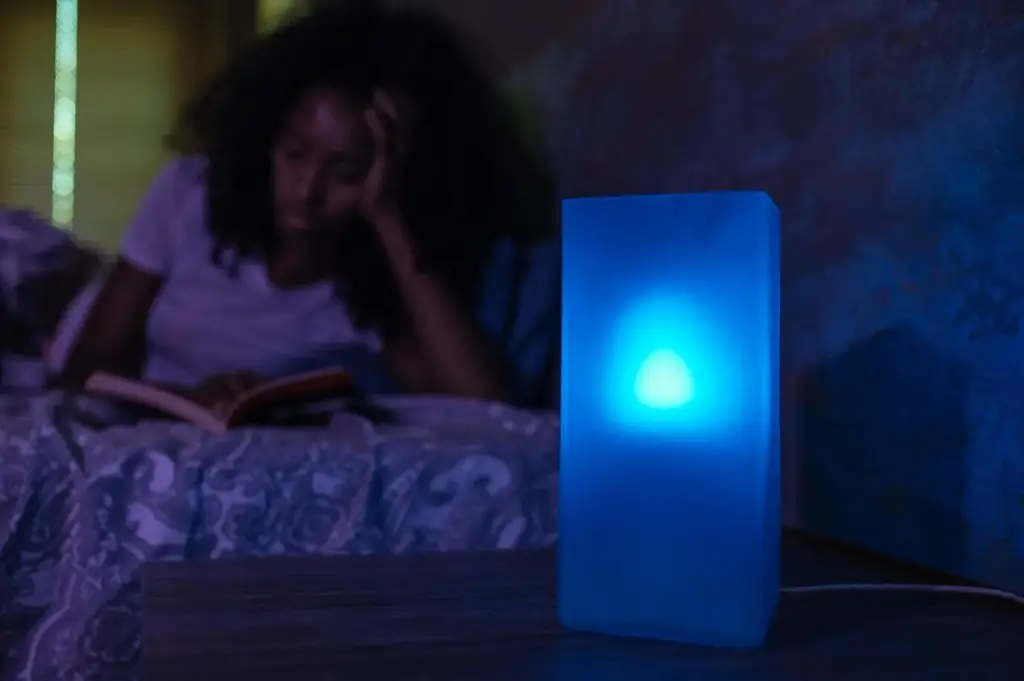
A plug-in swing-arm lamp with a high-CRI LED bulb transforms work posture and detail visibility. Aim for 3000K to 3500K in craft or study zones, and select lamps with diffusion to reduce contrast fatigue. A smart plug lets you schedule startup for morning focus and automatic shutdown at night. If you’ve discovered a clamp lamp that refuses to tip, share the brand. Fellow readers love portable solutions that survive moves, dorms, or hybrid office weeks without headaches.

Under-Cabinet Light Bars in Minutes

Plug-in LED bars install with adhesive or screws, creating shadow-free countertops without electricians. Choose bars with linking cables to avoid dark gaps, and check switch placement for easy reach. Warm-to-neutral color temperatures keep food inviting. Some models offer touch dimming and memory, returning to your last setting. If you’ve replaced dated puck lights, note how your prep time and mood changed. Reader comparisons help newcomers sidestep flicker, hum, and uneven beams when upgrading rental-friendly kitchen lighting.

Plug-In Retrofits for CFL PL Sockets

Many offices and older apartments still use G24 or GX23 plug-in CFLs. Ballast-compatible LED PL lamps can slot into the same socket, cutting energy and startup delay. Carefully match base type, pin orientation, and ballast compatibility from the spec sheet. If the ballast is failing, consider a contractor later for a bypass, but start simple. Share any models that worked flawlessly in ceiling cans or sconces. Your feedback shortens the learning curve for renters untangling legacy fixtures gracefully.

Smarter Controls With Minimal Effort

Combine screw-in smart bulbs and plug-in smart sockets to schedule mornings, mimic occupancy while traveling, and reduce standby waste. Voice assistants, simple apps, and sunrise automations make sustainable habits nearly automatic. Start with one lamp, refine scenes, then expand to hallways and porches. If privacy matters, consider local-control hubs and bulbs with manual override. Tell us your favorite automation routine, and we’ll spotlight reader setups that balance simplicity, comfort, and measurable energy savings without diving into complicated wiring projects.

Costs, Payback, and Real-World Numbers

{{SECTION_SUBTITLE}}

A Simple 60-Watt Replacement Math

Assume 60W incandescent versus 9W LED, three hours a day. Annual energy: 65.7 kWh versus 9.9 kWh, saving 55.8 kWh. At $0.20 per kWh, that’s about $11 per year per bulb. Multiply by ten lamps, and the math speaks loudly. Consider lifespan too: many LEDs last 15,000 to 25,000 hours, cutting hassle. Post your local rate and hours, and we’ll help refine the estimate. Real numbers turn good intentions into confident, immediate action across your home.

Small Business Case: Hallways and Breakrooms

Commercial spaces rack up hours quickly. Replacing always-on hallway lamps with efficient screw-in LEDs or compatible PL LED retrofits can save hundreds annually. Add occupancy sensors to breakrooms so lights aren’t forgotten. Consider cooler temperatures for visual clarity and safety. Track one month of kWh before and after to confirm savings. Share your meter snapshots and fixture counts, and we’ll feature a community case study. These stories encourage other small businesses to modernize lighting while protecting cash flow.

Safety, Compatibility, and Earth-Friendly Disposal

A successful upgrade balances performance with safety. Verify dimmer compatibility, enclosed fixture ratings, and wet-location needs before buying. Choose reputable certifications like ENERGY STAR or UL to reduce flicker and boost reliability. Retire old CFLs responsibly at recycling centers because they contain small amounts of mercury. Keep receipts and note model numbers for easy replacements later. If you’ve solved a tricky dimmer issue or found a reliable recycler nearby, share details to help others complete their transition responsibly.

Dimmers, Flicker, and Enclosed Fixtures

Not all LEDs like all dimmers. Check manufacturer compatibility lists, and test one lamp first. Aim for low-flicker designs to protect comfort during reading or filming. In enclosed fixtures, only use lamps rated for the heat. If buzzing appears, try a different dimmer curve or brand. Report what combination finally worked in your home. Your solution could spare someone hours of trial and error, transforming an annoying glitch into a smooth, reliable, long-lasting upgrade they can trust daily.

Quality Marks and Warranties Worth Reading

Certifications signal consistent performance. ENERGY STAR and UL listings help ensure safety, efficiency, and honest lumen claims. Review warranties—two to five years is common—and keep digital copies of receipts. If a lamp fails early, manufacturers often respond quickly with replacements. Consider reputable brands for tough locations or specialty shapes. Comment with any brand that provided excellent support; we’ll assemble a reader-sourced reliability list. Transparent experiences empower smarter choices and reduce waste from premature failures across homes and offices.

Recycling CFLs, Donating Usable Fixtures

Compact fluorescents contain small amounts of mercury and should never go in regular trash. Many hardware stores and municipal centers accept them for safe recycling. Still-working fixtures can be donated to reuse centers or community projects, avoiding landfill. Check local guidelines for packaging used lamps. If you’ve found a convenient drop-off location or organized a building-wide collection, share steps and timing. Community actions multiply impact, making sustainable lighting upgrades part of a larger, hopeful neighborhood effort that lasts.

Panoxelurivantapo
Privacy Overview

This website uses cookies so that we can provide you with the best user experience possible. Cookie information is stored in your browser and performs functions such as recognising you when you return to our website and helping our team to understand which sections of the website you find most interesting and useful.